

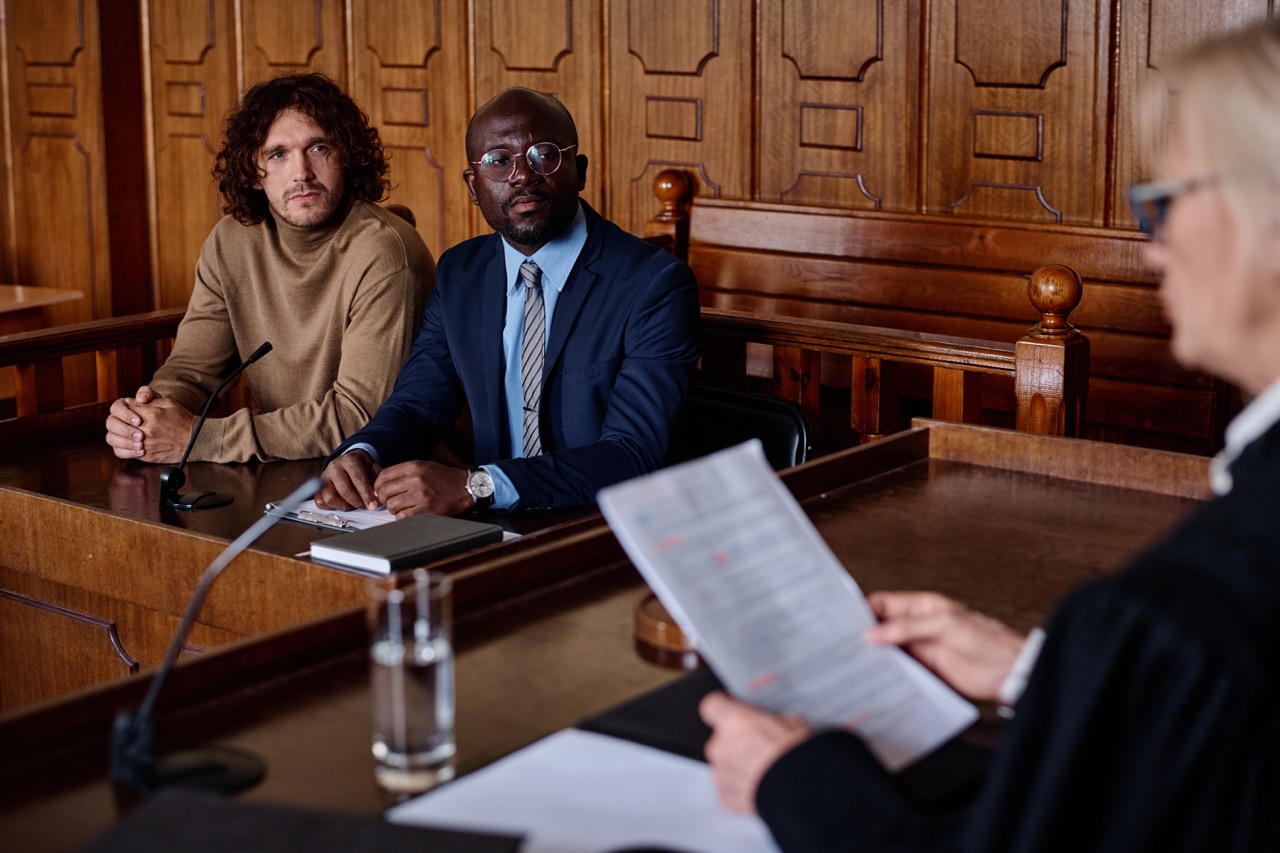
You missed a meeting with your probation officer. Or you tested positive on a drug screen. Or you picked up a new charge. Now there is a warrant, or you have been told to appear in court for a probation violation hearing. The question running through your head is simple: am I going to jail?
The honest answer is that it depends. Idaho judges have wide discretion in probation violation cases, and the outcome hinges on the type of violation, your compliance history, and how you handle the situation from this point forward. Here is how the process works and what you can do right now to put yourself in the best position possible.
How Probation Works in Idaho
When a judge sentences you to probation instead of incarceration, you are agreeing to follow a specific set of conditions in exchange for staying out of jail or prison. Those conditions are spelled out in a written Order of Probation that you sign at sentencing.
Common conditions in Idaho probation orders include regular check-ins with your probation officer, random drug and alcohol testing, completion of community service hours, payment of fines and restitution on a set schedule, and staying out of trouble with the law. Felony probation in Idaho typically runs three to five years and comes with more frequent reporting, stricter conditions, and less room for error.
The conditions are not suggestions. They are court orders. Breaking any one of them, even if it seems minor, can trigger a violation.
What Counts as a Probation Violation
Idaho probation violations fall into two categories.
Technical violations are rule-based. You missed an appointment, failed a drug test, broke curfew, left the state without permission, or fell behind on your fines. You did not commit a new crime, but you did not follow the terms of your probation.
New-law violations mean you were arrested for or charged with a new criminal offense while on probation. This could be anything from a shoplifting charge to a DUI to an assault. New-law violations are taken much more seriously by Idaho courts because they show the court that probation is not working as intended.
Some conditions are zero-tolerance. If your probation includes a no-contact order and you send a single text message to the protected person, that can be enough to trigger a violation. It does not matter if the message seemed harmless.
How the Process Starts
When your probation officer believes you have violated a condition, they document the alleged violation and file a report with the court. This report is sometimes called a Report of Violation or a Petition to Revoke Probation.
After reviewing the report, the judge can issue a summons ordering you to appear in court, or a bench warrant for your arrest. Even a relatively minor technical violation can result in a warrant if the probation officer believes you are ignoring the court’s authority or have stopped reporting altogether.
If a warrant is issued, you can be arrested anywhere in Idaho and held until your hearing. In some cases, bond is available. In others, the judge orders that you be held without bond pending the hearing.
What Happens at the Hearing
A probation violation hearing is not the same thing as a criminal trial. There is no jury. The standard of proof is lower. And the rules work differently.
At trial, the state has to prove guilt beyond a reasonable doubt. At a probation violation hearing, the state only has to prove the violation by a preponderance of the evidence, which means “more likely than not.” That is a much easier bar to clear. If the judge believes there is even slightly more than a 50% chance that you violated a condition, that is enough.
The hearing generally follows this structure:
- You appear before the judge and the violation allegations are read.
- You are advised of your rights, including the right to an attorney.
- You can admit the violation, deny it, or enter a no-contest plea.
- If you deny the violation, the state presents evidence, and your attorney can cross-examine witnesses and present your own evidence.
- The judge makes a ruling.
You have the right to be represented by an attorney at a probation violation hearing. You have the right to see the evidence against you. You can present your own evidence, call witnesses, and challenge what the state is claiming. These rights matter, and having a defense attorney who knows how your specific court handles these hearings can make a real difference in the outcome.
What the Judge Can Do
If the judge finds that you violated your probation, the range of possible outcomes is broad. Idaho judges have significant discretion in these cases.
On the lighter end, the judge may continue your probation with no changes, issue a verbal warning, or add new conditions like additional counseling sessions or more frequent check-ins. For more serious violations, the judge can extend the length of your probation, order a short jail stay (sometimes called a “rider” or a period of retained jurisdiction), or impose other sanctions.
On the serious end, the judge can revoke your probation entirely and impose the original underlying sentence. That means if you were originally facing two to five years in prison and the judge suspended that sentence in favor of probation, the judge can now send you to prison for up to that full amount.
The outcome depends on several factors: the nature and seriousness of the violation, whether this is your first violation or a pattern, your overall compliance history, whether you were making genuine efforts at rehabilitation, and what your probation officer recommends.
Technical Violations vs. New Criminal Charges
Idaho courts generally treat technical violations less harshly than new-law violations, especially for a first offense. A single missed appointment on an otherwise clean probation record is handled differently than a second DUI arrest while on probation for a first DUI.
That said, repeated technical violations add up. If you have missed multiple drug tests, failed to pay restitution for months, and stopped reporting to your probation officer, the court is going to view that as a pattern of noncompliance, and the consequences will reflect that.
New-law violations create a separate problem. You are now facing both the new criminal case and the probation revocation based on the same conduct. These two proceedings run in parallel, and a conviction on the new charge almost guarantees revocation of your existing probation.
What You Should Do Right Now
If you know or suspect that you have violated your probation, the worst thing you can do is nothing. Ignoring the problem does not make it go away. It makes it worse. Here is what you should do instead.
Get your paperwork together. Gather anything that shows compliance or effort on your part. Pay stubs, treatment attendance records, community service logs, receipts for fines paid, medical records if a health issue caused the violation. Bring everything.
Contact your probation officer. If the violation was caused by something like a medical emergency, a transportation issue, or a scheduling conflict, tell your probation officer. Get ahead of it. Probation officers have some discretion in how they report things, and showing good faith can work in your favor.
Talk to a criminal defense attorney before you go to court. Do not admit to a violation, sign any paperwork, or make statements to your probation officer about what happened until you have talked to a lawyer. What you say can be used against you at the hearing.
Take action on the underlying issue. If you failed a drug test, enroll in treatment before your hearing. If you missed community service hours, start making them up. Judges notice when someone is taking the situation seriously and putting in the work before being ordered to do so.
Why the First 72 Hours Matter
In probation violation cases, the decisions you make in the first few days after learning about the violation have an outsized impact on the outcome. Acting quickly gives your attorney time to review the facts, talk to your probation officer, and develop a strategy before the hearing. It also gives you time to take the kind of proactive steps that judges want to see.
Waiting until the day before your hearing to hire an attorney is not a plan. It is damage control. The earlier you act, the more options you have.
Call John Malek Law Group
If you are facing a probation violation hearing in Idaho, or if there is a warrant out for a probation violation, we want to hear from you. At John Malek Law Group, we handle probation revocation hearings across eastern Idaho and the Boise metro area. We know how these hearings work, we know what judges and prosecutors are looking for, and we fight to keep our clients out of jail.
Call us now. The sooner we get involved, the more we can do.
Disclaimer: We are attorneys, but we are not your attorney. The information provided on this website is for general informational purposes only and does not constitute legal advice. Reading this content does not create an attorney-client relationship. Please consult a qualified attorney for advice specific to your situation.