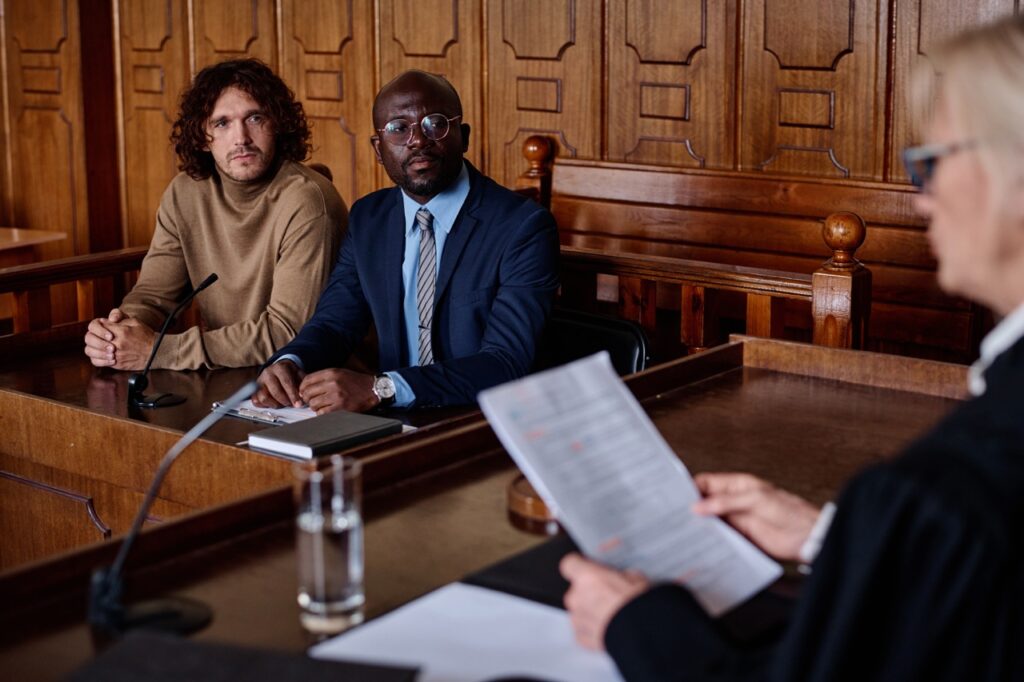

Navigating the juvenile justice system can be intimidating for parents and young people. Families often worry about detention, schooling, and a child’s future after an arrest. If your child has been arrested or is under investigation, contact John Malek Law Group immediately. Do not allow your child to answer questions from police, school officials, or government investigators without an attorney present. Young people are especially vulnerable to pressure tactics during interrogation, and statements made without legal counsel can have lasting consequences. Call 208-747-0053 right away so our team can step in and protect your child’s rights before the process moves forward without you.
Understanding Idaho’s Juvenile Justice System
Idaho handles most cases involving people under eighteen through the Juvenile Corrections Act. Except for certain traffic, alcohol, tobacco, and watercraft violations, juveniles who break federal, state, or local law are processed in the magistrate division of the district court. Law enforcement initiates the process by filing a report. The prosecuting attorney reviews the report and decides if there is enough evidence to file a petition. Without a petition, a juvenile cannot be brought before the court. A petition sets out the specific act alleged against the child. At the start of the first hearing, often called an admit/deny hearing, the judge ensures the juvenile and their parents understand the charge. If copies of the petition have not yet been served, they are delivered at the hearing. The judge also reviews the constitutional and legal rights of all parties before asking the juvenile to admit or deny the allegations. If the juvenile denies the petition, the case is set for an evidentiary hearing similar to a trial.
Rights and Procedures in Juvenile Court
Juveniles have the right to counsel in all proceedings. The court must appoint counsel for a juvenile who cannot afford to hire a lawyer and may appoint separate counsel for a parent if there is a conflict. Notice of the right to counsel is provided as early as possible. This underscores the importance of having an attorney to guide families through the process. If law enforcement takes a child into custody, officers usually release the child to a parent or responsible adult unless detention is deemed necessary. When a juvenile is not released, the court must hold a detention hearing within twenty‑four hours (excluding weekends and holidays). The court may continue detention only when it believes the juvenile might not appear in court, is a runaway, is at risk of harm, or poses a danger to society. During detention hearings, a defense attorney can argue for release and request conditions like supervision rather than confinement.
Dispositions and Possible Consequences
If the court finds that the juvenile has committed the alleged offense or if the youth admits the petition, the judge moves to the disposition phase. Idaho’s juvenile courts emphasize rehabilitation over punishment and offer several options:
- Dismissal after counseling: The judge may dismiss the case after counseling by a judge or probation officer.
- Conditions with dismissal: The court may continue the case to allow the juvenile to complete restitution or community service.
- Counseling or treatment: The juvenile may be required to attend short‑ or long‑term counseling or undergo psychological evaluation and treatment.
- Probation or short‑term detention: The court may impose probation while allowing the child to live at home or order detention in a local juvenile facility for up to thirty days.
- Commitment to the Department of Juvenile Corrections: For serious cases, the judge may commit the juvenile to the Department of Juvenile Corrections, which could involve placement at a juvenile corrections center or, in some circumstances, the state mental hospital.
In more serious misdemeanor or felony cases, the court may transfer the matter to adult criminal court. Idaho law provides that a juvenile must be at least fourteen years old to be tried as an adult. Transfers are usually reserved for violent offenses such as murder or armed robbery. Our attorneys work to keep cases in juvenile court whenever possible, where the focus remains on rehabilitation.
Informal Adjustments and Diversion Options
Not all juvenile cases result in formal adjudication. Idaho law allows courts to order an informal adjustment at any stage of the proceedings. This means the case may be resolved through counseling, community programs, or other conditions without a formal conviction. The court may impose or suspend detention during an informal adjustment and can order a preliminary inquiry or social report to guide its decision. In many instances, probation officers recommend diversion programs or youth courts when they believe formal court action would not serve the best interests of the juvenile or the community.
Juvenile Proceedings in Bonneville County and Idaho Falls
Juvenile hearings for Idaho Falls residents typically take place at the Bonneville County courthouse. The juvenile court operates within the magistrate division, and proceedings are often closed to protect the child’s privacy. People present in court usually include the judge, court clerk, a probation officer, the juvenile, parents or guardians, and attorneys. School counselors or police officers may also attend when relevant. Knowing the local procedures helps families prepare for hearings and anticipate the next steps.
How John Malek Law Group Can Help
Our attorneys understand that juvenile cases are more than legal matters; they impact education, family relationships, and future opportunities. We provide tailored representation by:
- Early case evaluation: We review police reports and petitions to identify weaknesses and determine whether diversion, informal adjustment, or dismissal is possible.
- Advocacy at hearings: We represent juveniles at detention hearings, admit/deny hearings, and evidentiary hearings, ensuring their rights to counsel and due process are respected.
- Negotiation and disposition planning: We work with prosecutors and probation officers to secure counseling, probation, or other rehabilitative dispositions instead of commitment to corrections facilities.
- Guidance for families: We explain court procedures, deadlines, and possible outcomes in plain language so parents and guardians can support their child throughout the process.
- Protection against adult charges: We advocate to keep cases in juvenile court and, when necessary, argue against transfer to adult court for youth fourteen and older.
This is one focus area within our Idaho Falls criminal defense practice.