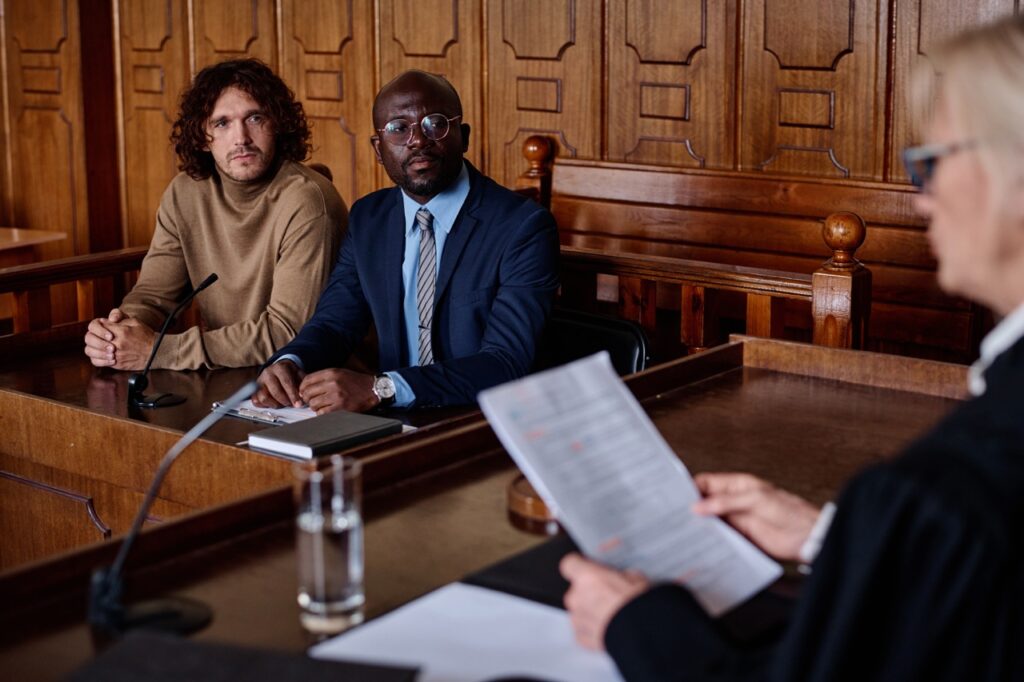

Gun charges can turn a normal day in Boise into a high‑stakes case fast. A traffic stop, a family argument, a hunting trip, or a call about a weapon can lead to criminal charges that threaten your freedom, your record, and your gun rights. Our promise is simple, we put clients first and we fight with purpose.
Call 208-747-0053 for a free initial consultation.
Common Boise Gun Crime Charges We Defend
Gun crime charges can range from paperwork and possession issues to allegations involving a deadly weapon during a conflict. We often help with cases such as:
- Illegal possession, including firearm unlawful possession claims tied to prior convictions
- Concealed weapon issues, including permit questions and concealed carry mistakes
- Claims that someone displayed, threatened with, or used a firearm during a dispute
- Allegations of gun crimes connected to other criminal charges
- Situations where the State seeks a weapon enhancement or where federal law becomes part of the case
Every case turns on specific circumstances. The right defense starts with a careful review of what the State must prove and what the evidence actually shows.
Idaho Gun Laws That Shape Boise Gun Charges
Idaho gun laws protect the right to bear arms, but the same laws also create serious consequences when the State alleges a violation. Below are key Idaho law rules that show up often in gun crimes.
Idaho’s Right to Keep and Bear Arms, and the Limits
Idaho’s Constitution says the people have the right to keep and bear arms. It also says that right does not block certain types of gun laws, including laws governing concealed weapons and laws that set penalties for firearm use or possession by convicted felons. The same section states that Idaho may not impose licensure, registration, or special taxation on ownership or possession of firearms or ammunition, and it limits confiscation to firearms actually used in the commission of a felony.
That balance matters in real cases. Prosecutors often argue that a law regulates conduct, not gun ownership. A defense lawyer needs to test that argument against the facts and the charging statute.
Felony Possession and Convicted Felons
One of the most common high‑stakes cases is possession of a firearm by a person with a prior felony conviction. Idaho Code § 18-3316 makes it a felony for a person who previously has been convicted of a felony to purchase, own, possess, or have custody or control of any firearm.
The statute includes a potential penalty of up to five years in state prison and a fine up to $5,000. A felony conviction can also create long‑term limits that follow you after the case ends.
A lot of these cases come down to possession. Prosecutors may argue custody or control even when a firearm is found in a shared space, a vehicle, or a home with multiple people. Our job is to pressure‑test the State’s proof and build a defense strategy that fits the evidence.
What Idaho Counts as a Firearm
Idaho law defines firearm broadly for Title 18, Chapter 33. The definition includes any weapon that will, is designed to, or may readily be converted to expel a projectile by the action of an explosive.
That definition can matter in cases involving unusual weapons or older firearms. It can also matter when police seize an item that looks like a firearm and the State claims it meets the legal definition.
Misdemeanor Exhibition of a Deadly Weapon
Idaho Code § 18-3303 covers what many people think of as brandishing. The statute makes it a misdemeanor to draw or exhibit any deadly weapon in a rude, angry, and threatening manner, not in necessary self defense, in the presence of two or more persons. The Idaho appellate courts have also addressed what the presence requirement means.
These cases often involve fast‑moving events. A defense has to focus on the setting, the number of people present, what was said, what was done, and whether the situation ties into a self defense case.
Weapon Enhancements That Can Add Time
Some felony cases carry extra sentencing exposure when the State alleges a firearm or other deadly weapon was displayed, used, threatened, or attempted during the offense. Idaho Code § 19-2520 authorizes an extended term of imprisonment by increasing the maximum sentence for the underlying crime by fifteen (15) years for certain listed offenses. The statute also says the enhancement can apply even when use of a firearm is an element of the offense.
That is one reason gun charges are treated as high stakes cases. The potential consequences can grow quickly when an enhancement is in play.
Concealed Weapon Issues and City Limits Concerns
Idaho is known for broad gun rights, but concealed weapon rules still matter. Idaho’s Attorney General and Idaho State Police publish guidance on concealed weapons that includes permitless carry rules for certain individuals, and it highlights that some limits still apply.
For example, some people may carry a concealed weapon without a license under Idaho law if they meet specific age and eligibility requirements. The same state guidance also notes that within the limits of a city, you may have to comply with municipal ordinances regarding the discharge of firearms. City limits issues come up in cases tied to hunting, recreation, and neighborhood complaints.
These details matter because people often assume gun ownership automatically makes all conduct lawful. Gun crime defense starts by separating what you believed from what the law actually requires.
How a Boise Gun Charges Case Moves Through Ada County Courts
Most criminal cases in Ada County start with a complaint. The court may issue a warrant or a summons. The Fourth Judicial District explains that the first appearance is a separate court event from an arraignment, and felony defendants do not enter a plea at the first appearance.
Idaho Criminal Rule 5 says an arrested person must be taken before a magistrate without unreasonable delay, and the delay may not exceed 24 hours after arrest, excluding Saturdays, Sundays, and holidays. The rule also allows limited delay if the person is hospitalized or in a condition that prevents court.
For felony cases not indicted by a grand jury, Idaho Criminal Rule 5.1 provides a right to a preliminary hearing. The rule sets time limits, and it generally requires a preliminary hearing within 14 days after the initial appearance if the defendant is in custody, or within 21 days if the defendant is not in custody. The court can extend those deadlines under the rule in certain situations.
After a bind‑over to district court, Idaho Criminal Rule 10 covers arraignment on an information or indictment and includes a 30‑day timeline tied to the filing and service rules. The judge addresses your rights, sets future dates, and the case moves into the next phase of the legal process.
Building a Strong Defense Strategy in Gun Crime Cases
A strong defense strategy starts early. We dig into what happened, why police made contact, and what evidence the State relies on. We also look for the parts that do not add up, including gaps in proof about possession, identification, intent, and credibility.
Self defense often plays a major role in gun crimes. Idaho’s self‑defense statutes include a no‑duty‑to‑retreat rule. People sometimes call it a stand your ground law, or ground law. Idaho law also places the burden on the prosecution in certain unlawful use of force cases to prove beyond a reasonable doubt that the use of force was not justifiable.
No two cases are the same. Effective strategies come from matching the legal rules to the actual facts, not from one‑size‑fits‑all defenses.
How We Help With Boise Firearms Charges
We focus on practical legal representation that fits real life and real courtrooms. Our services in gun crime defense typically include:
- Reviewing reports, body‑cam footage, witness statements, and physical evidence
- Challenging illegal stops, searches, and seizures tied to firearms charges
- Addressing possession disputes, including custody or control claims in shared spaces
- Negotiating for reduced charges or other resolutions when the facts support it
- Preparing for hearings and trial when the State refuses to act reasonably
We do not promise outcomes. We do commit to honest advice, clear communication, and hard work.
Frequently Asked Questions
These matters fall under our Boise violent crimes practice.